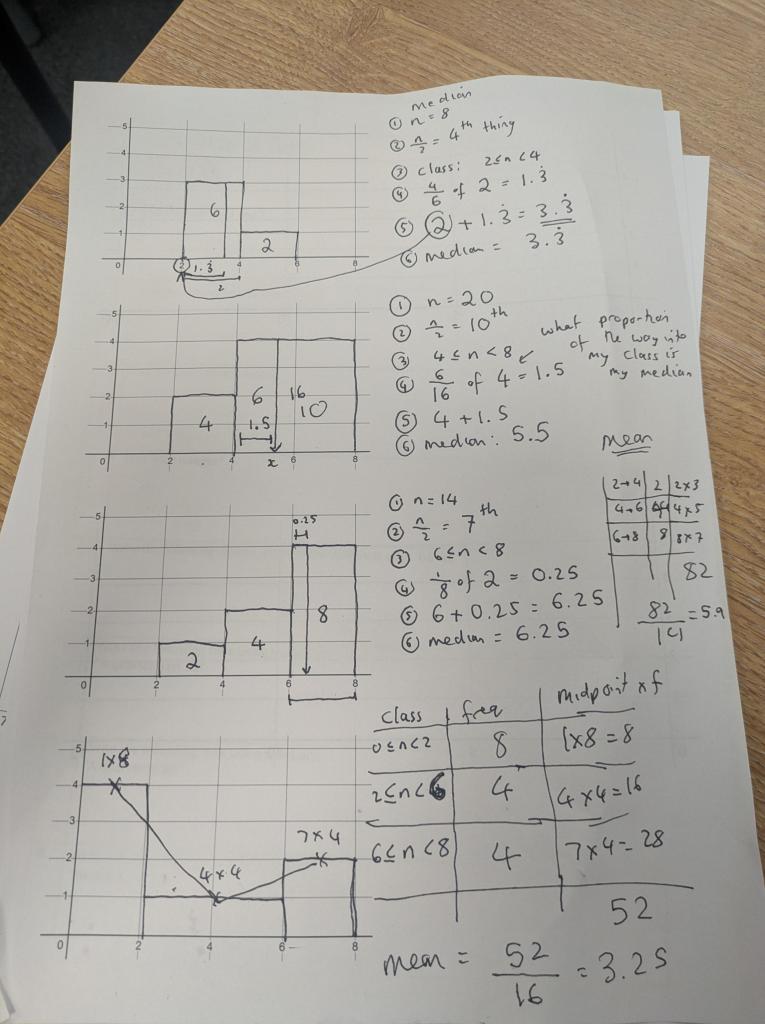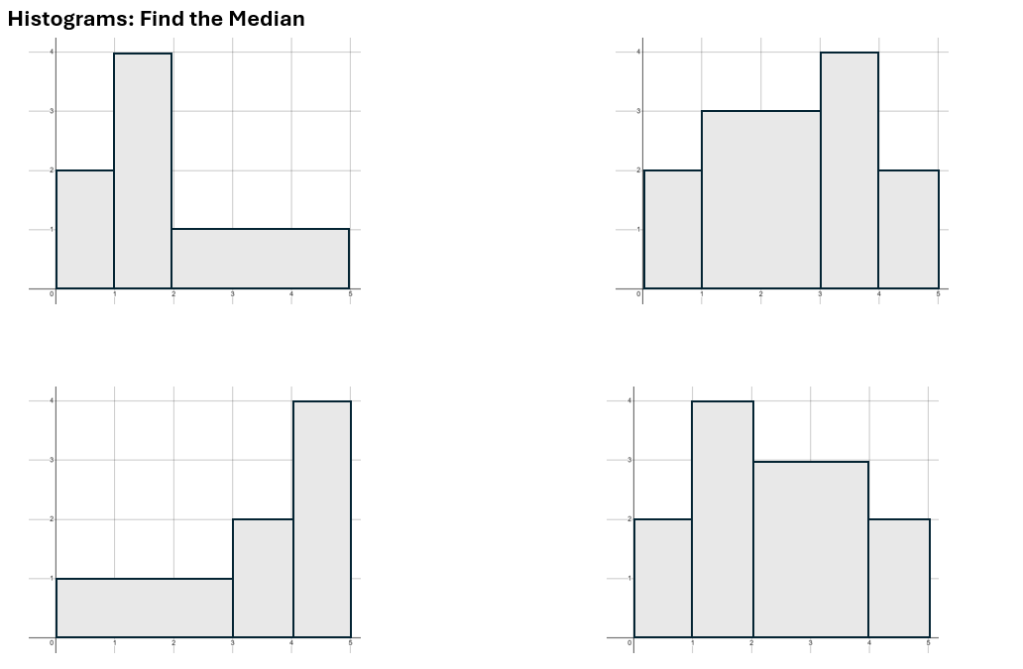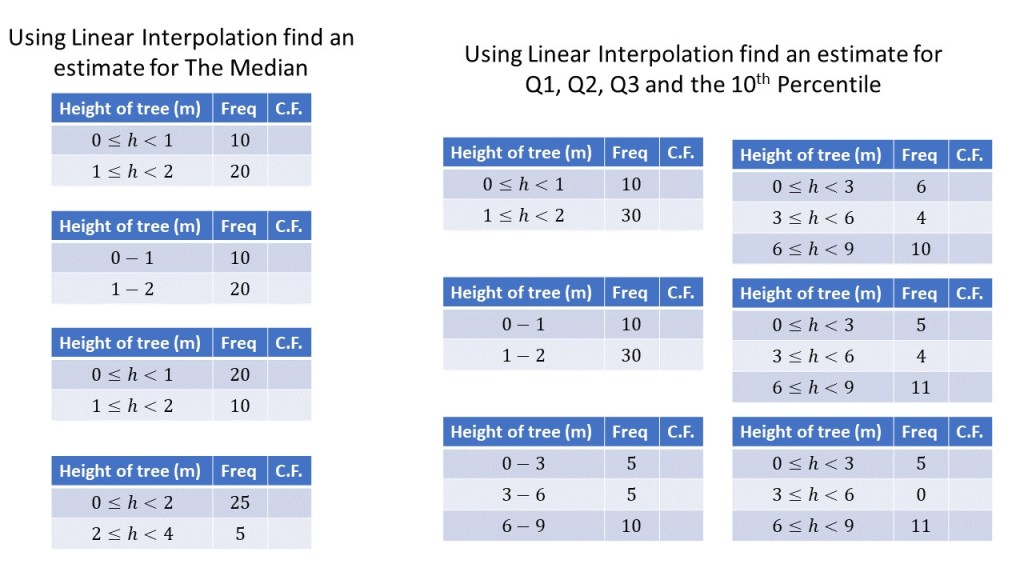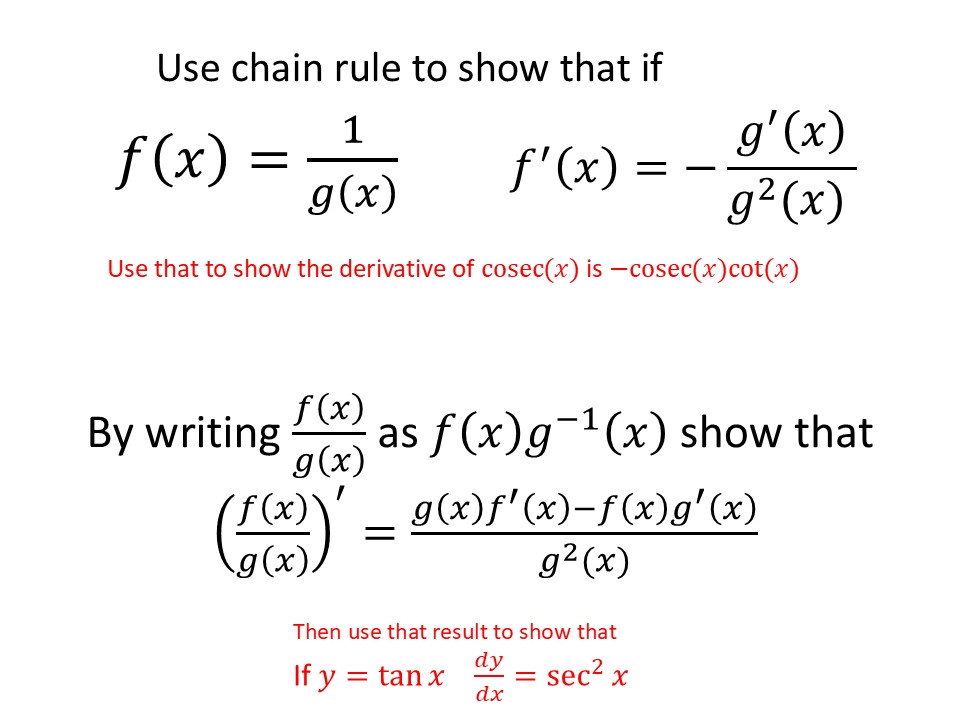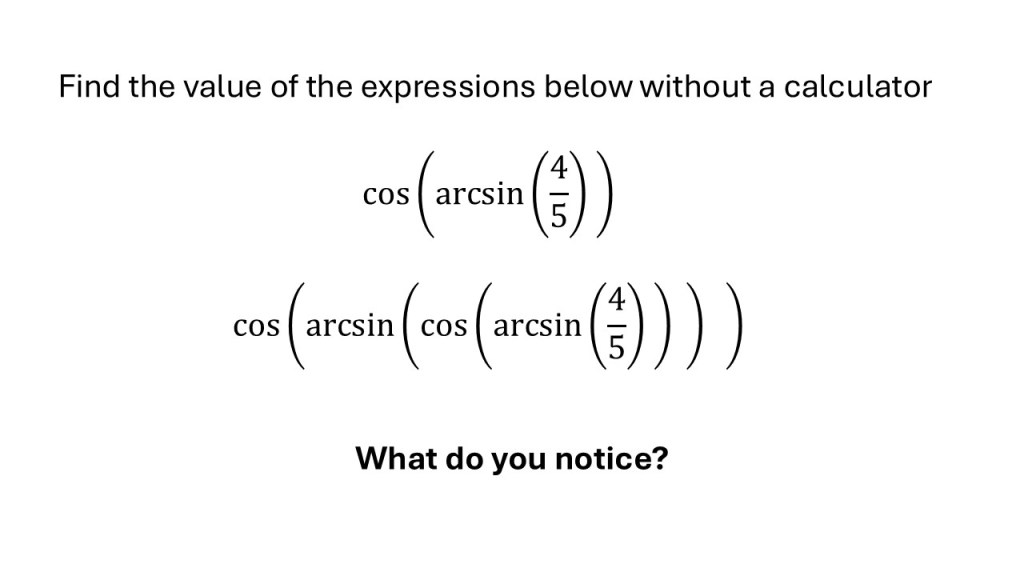
Finding the median from a Histogram is one of those A Level Topics that sneaks into GCSE and that I had actually not prepared to teach when it came up whilst we were doing some of the fantastic Focus Tasks from Mathsbox. I quickly printed off some blank axis from Desmos and then went about writing some simple histogram questions under the visualiser.
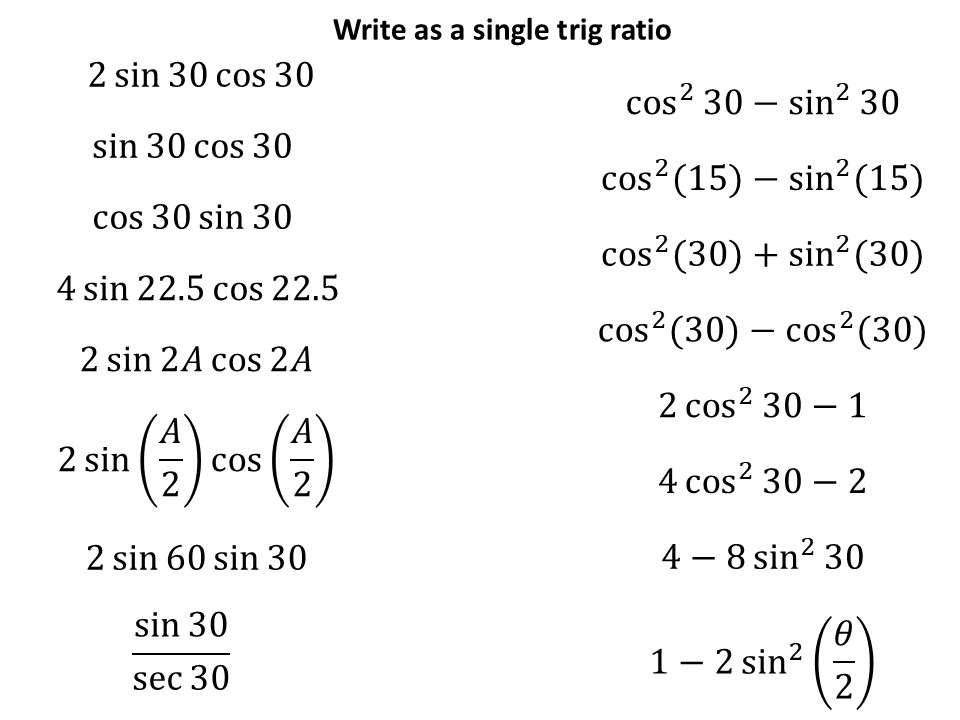
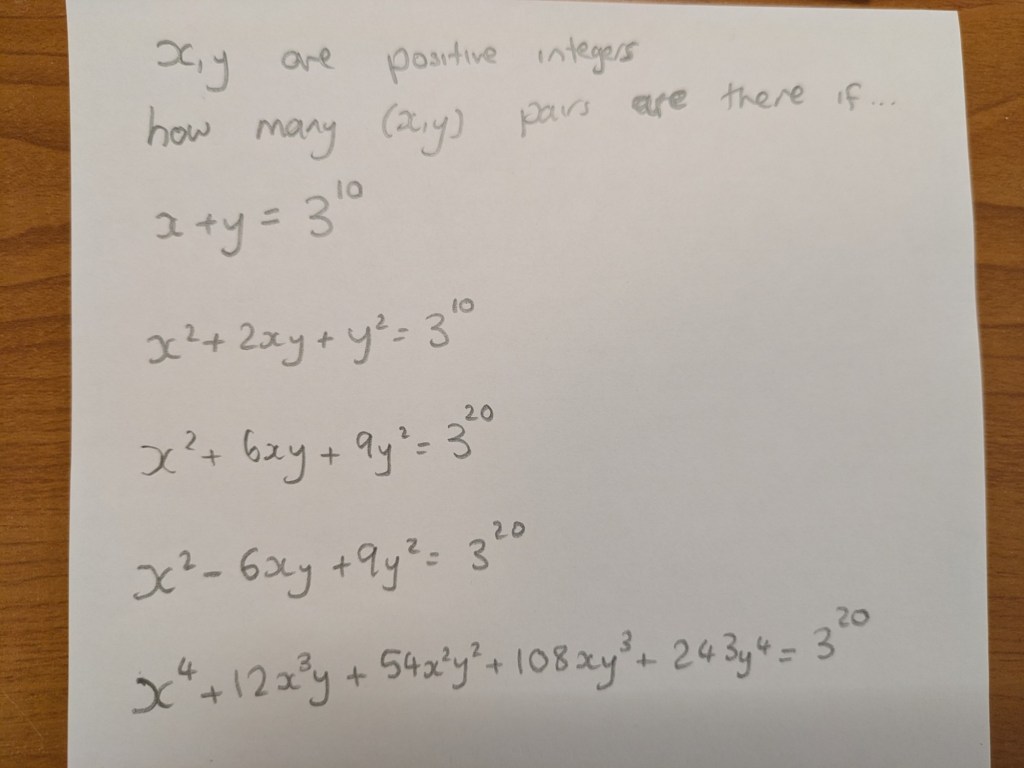
The issue with making these questions up on the spot is that they weren’t all “nice” and didn’t really build up in difficulty properly.
So I speedily during lunch put together the following PPT that introduced the idea of Linear Interpolation slowly
We have been doing Year 11 mocks recently and I always love making worksheets based on questions that were answered weakly by my classes.
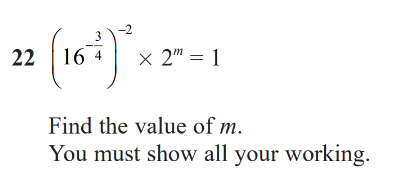
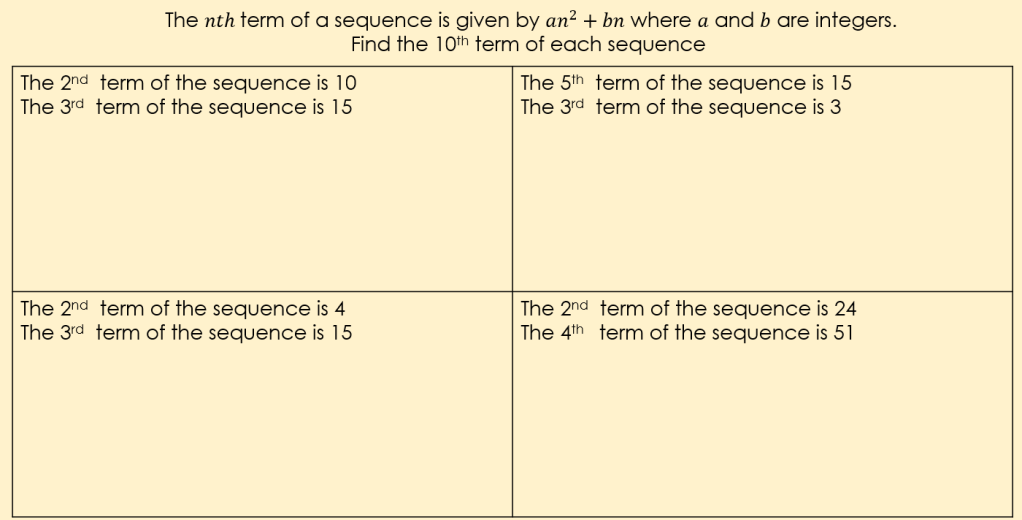
Here were three of the “worst” answered questions that I would’ve liked them to get.
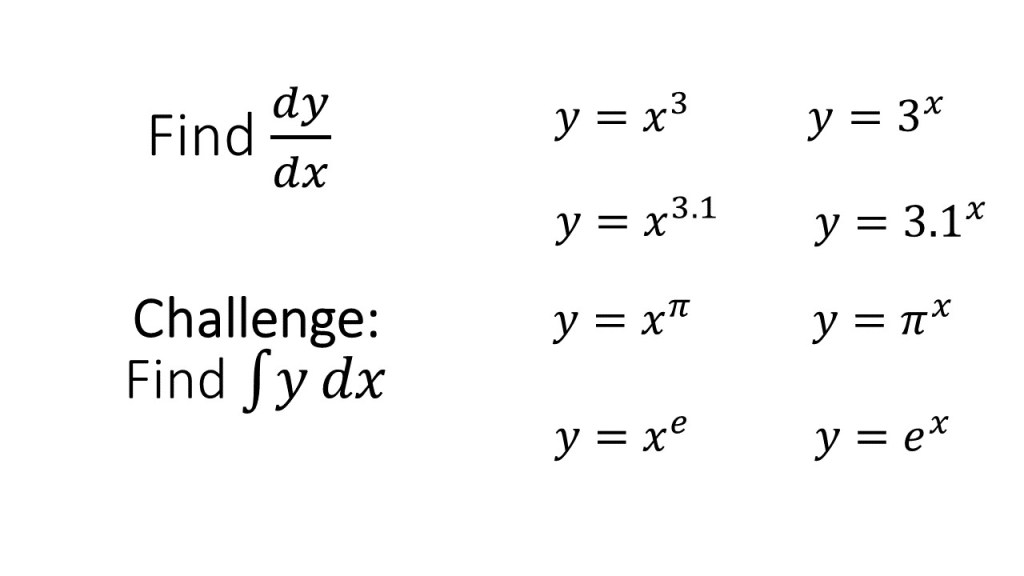
For this one I made a Table that slowly built up difficulty and ended with some nice extension questions where you form quadratics from indice equations
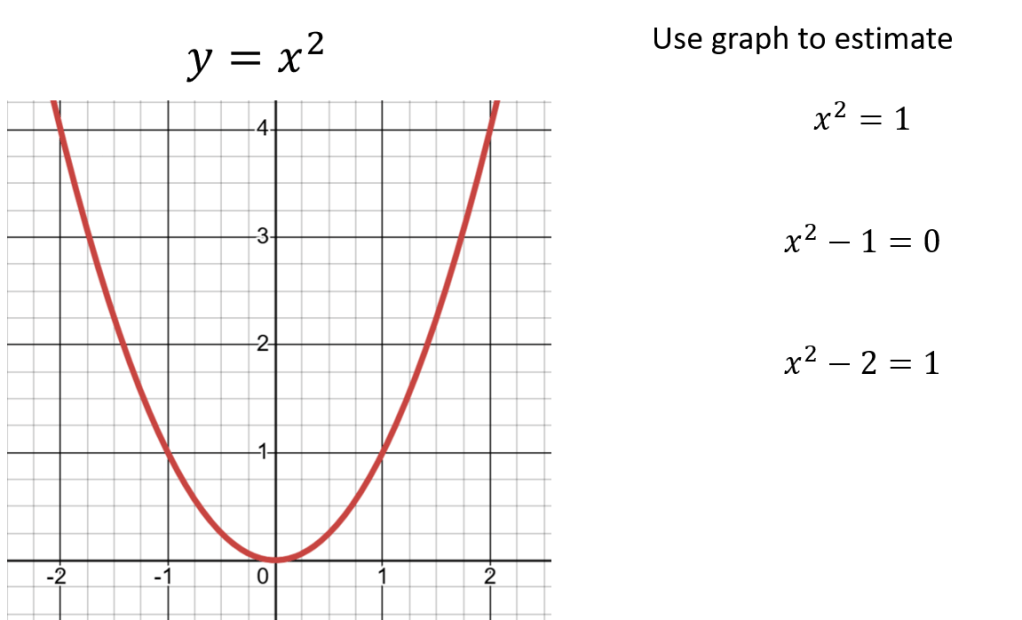
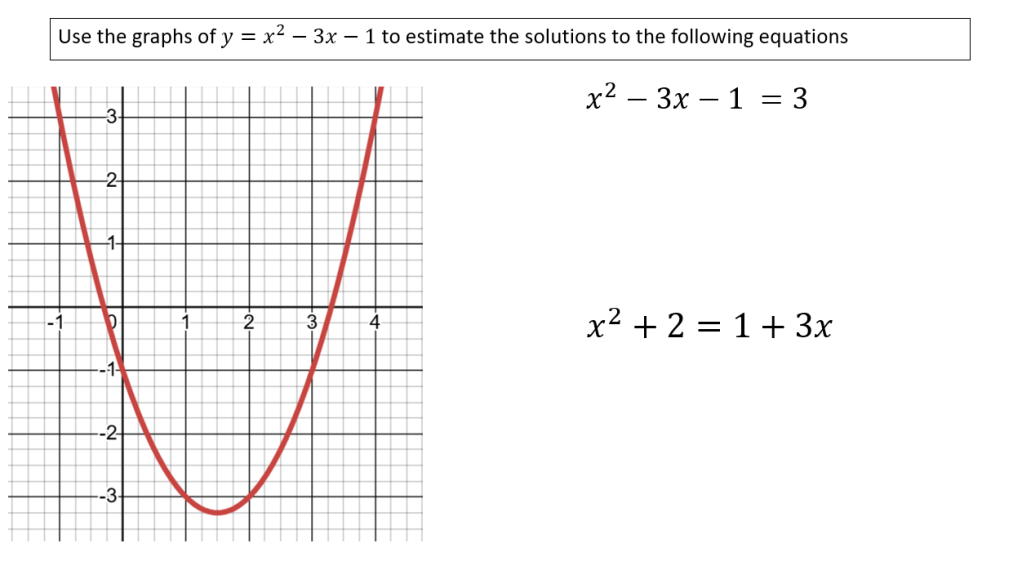
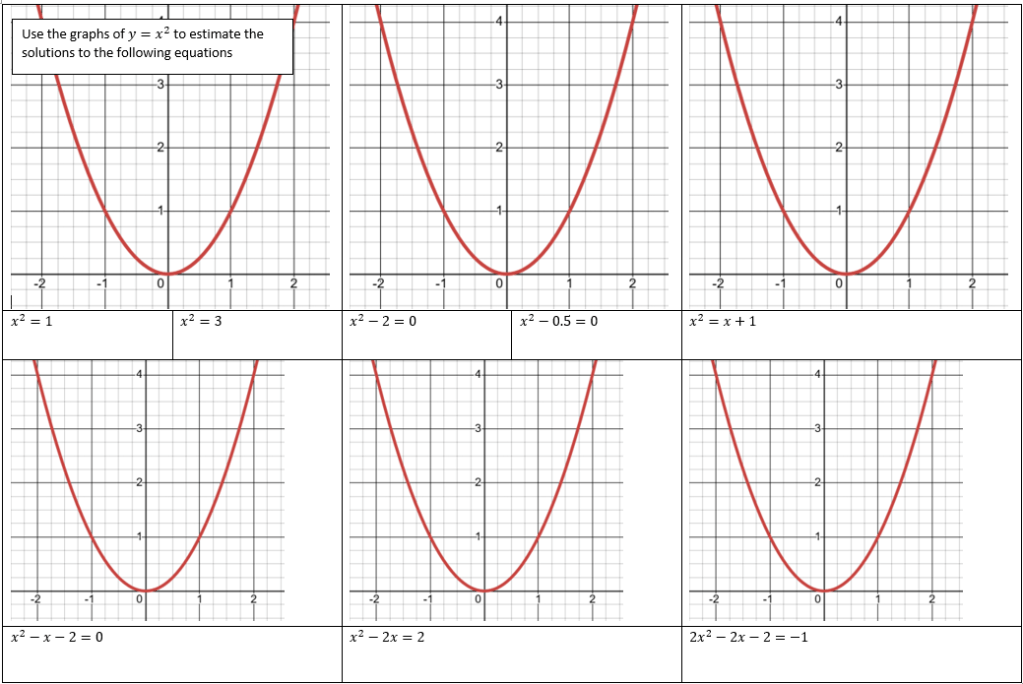
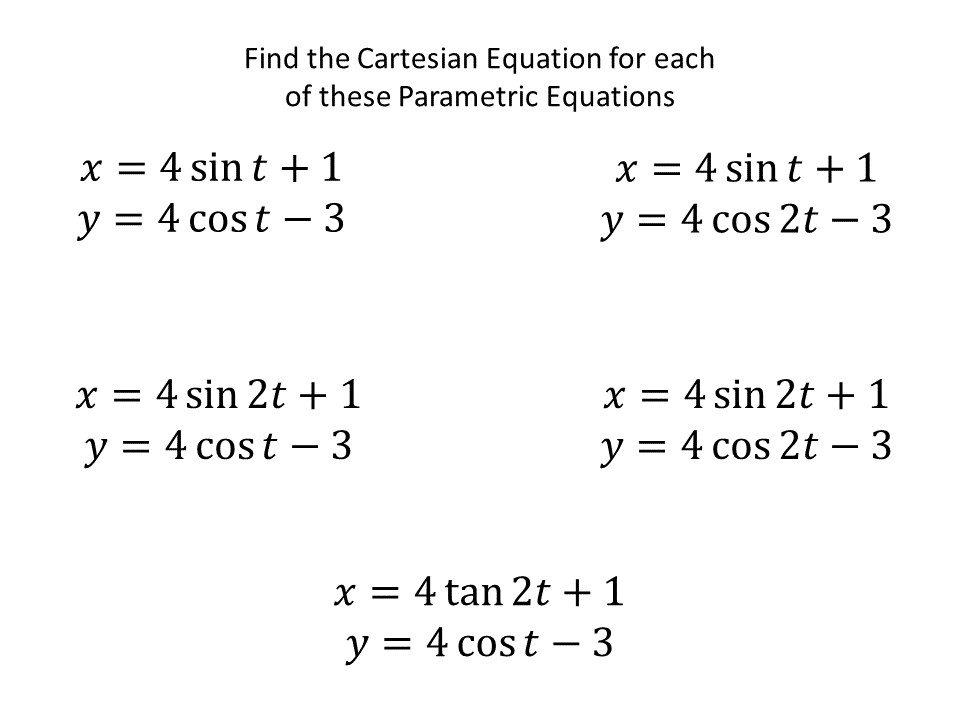
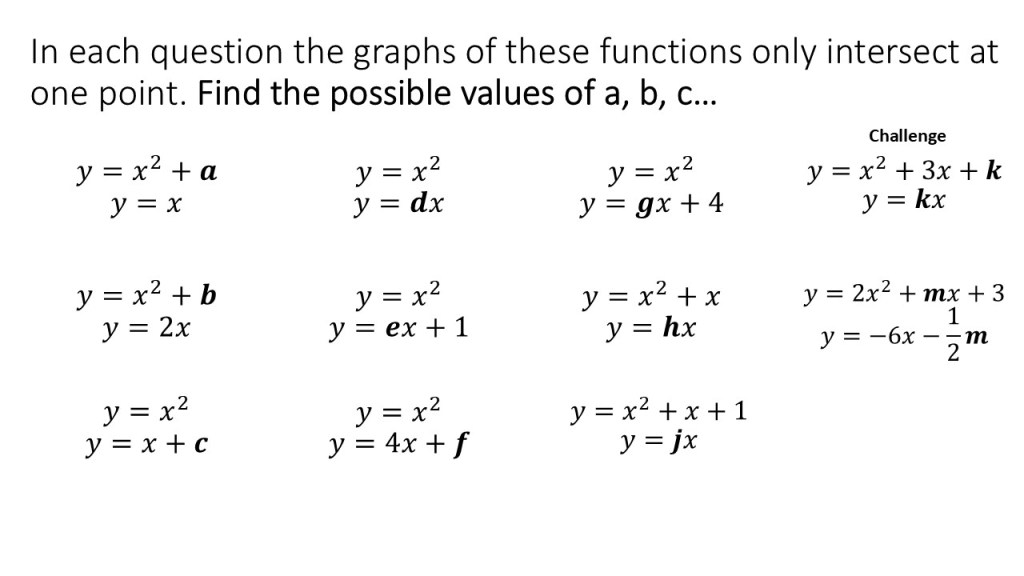
Finally part (c) of this question was actually quite a tricky version of this type of question so I built it up slowly starting with drawing extra graphs onto x squared
Before moving onto a harder quadratic
Then got the students to work through a worksheet of a bunch of the questions that get quite tricky!
Had an absolutely glorious time running a workshop at Mathsconf39 with my colleague Shane a couple of weeks ago.
I have attached the PPT that we used at the top of this post so people can use it in department meetings as CPD or just to take a look at some series of questions.
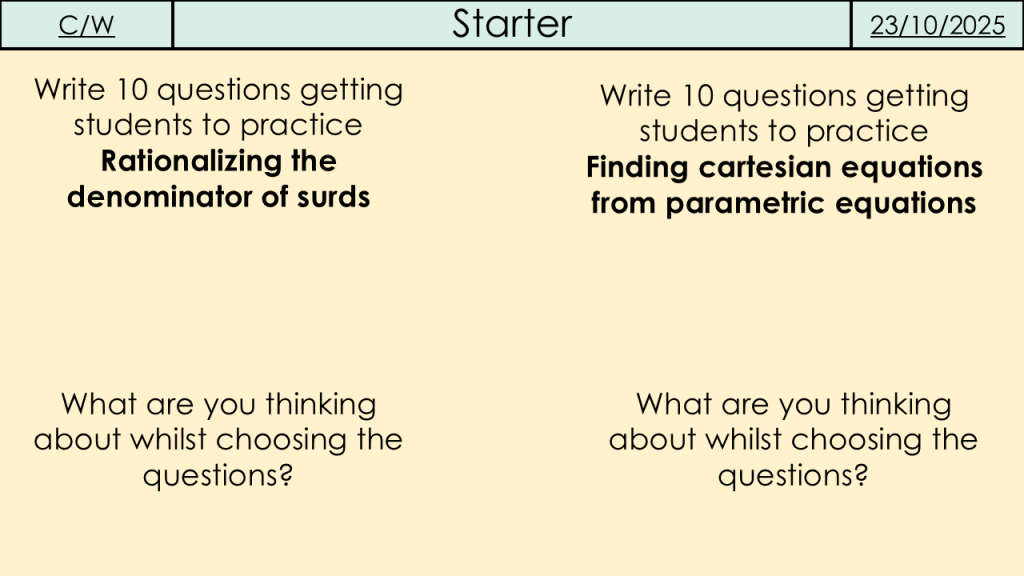
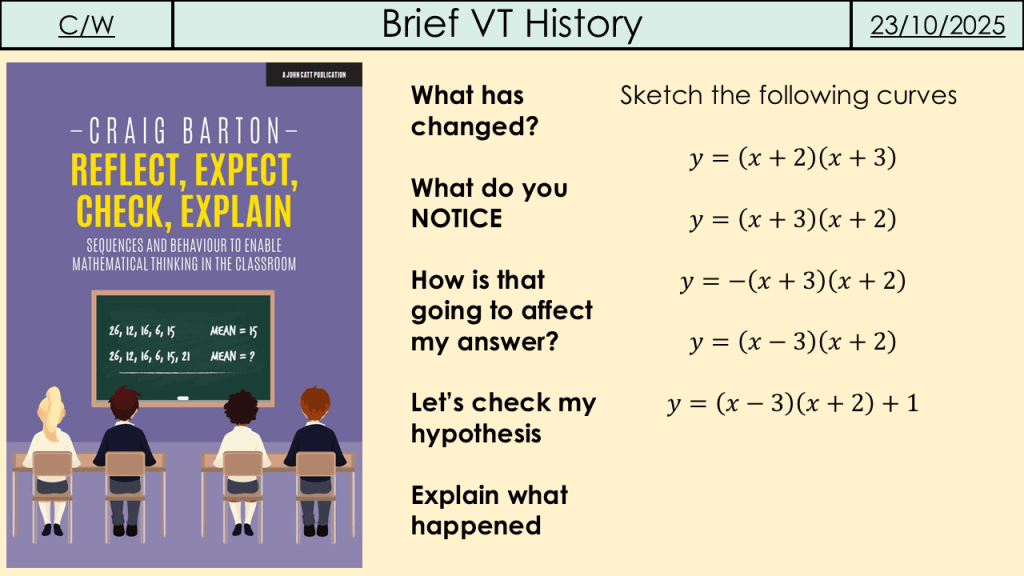
The biggest take away from the session is that designing questions based around getting our students to think deeply is great from students but also just fantastic CPD. We start our department meeting with a slide such as the one below and then discuss the differences and similarities between the questions that we have written. So much fun!
Some of the mathematical behaviours we want students to have:
Big shout out to Craig Barton for the fantastic book and websites
If you came to the session and have any feedback for us please do email us here 🙂
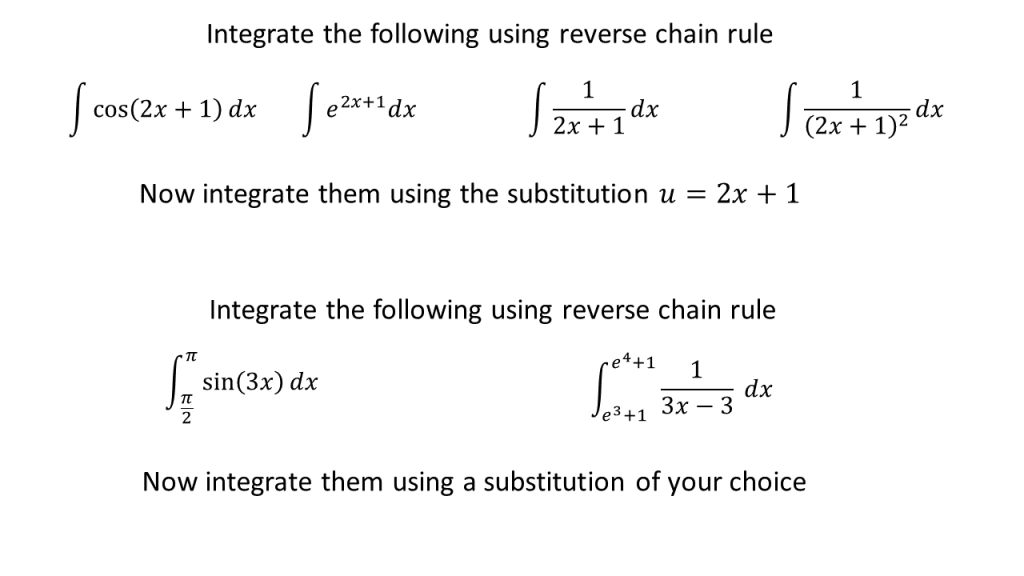
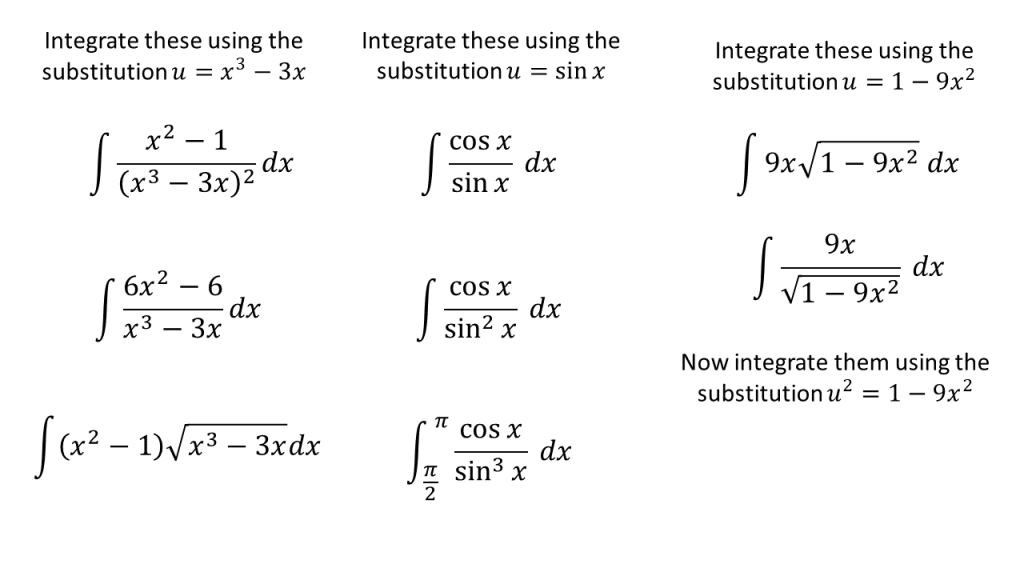
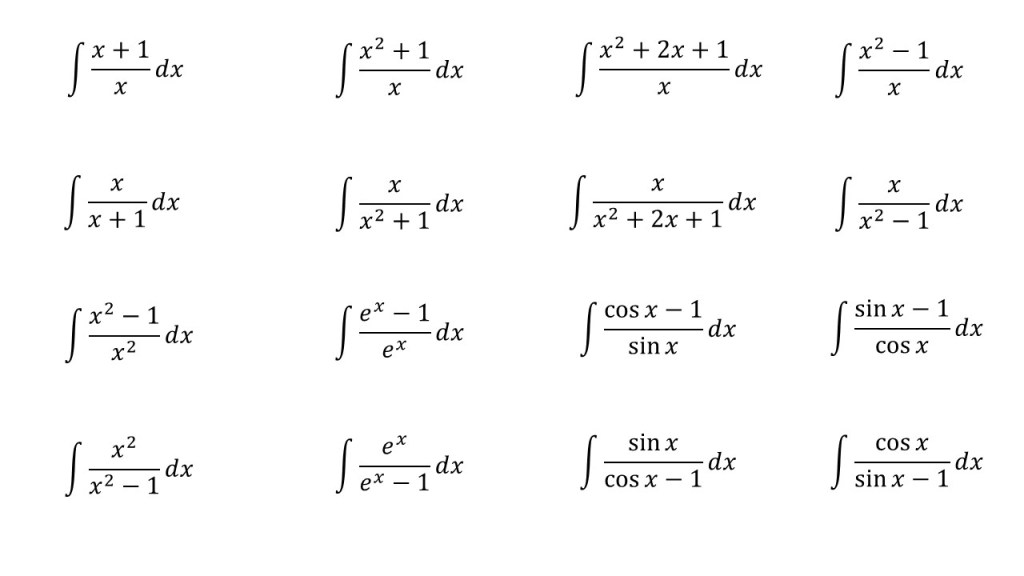
I always like using simpler integration by substitution examples to start of, things that students know how to integrate already that we can then use substitution to do before moving onto trickier substitutions.
Got the above questions from Underground Maths – added a couple of limits but that’s it – such great questions
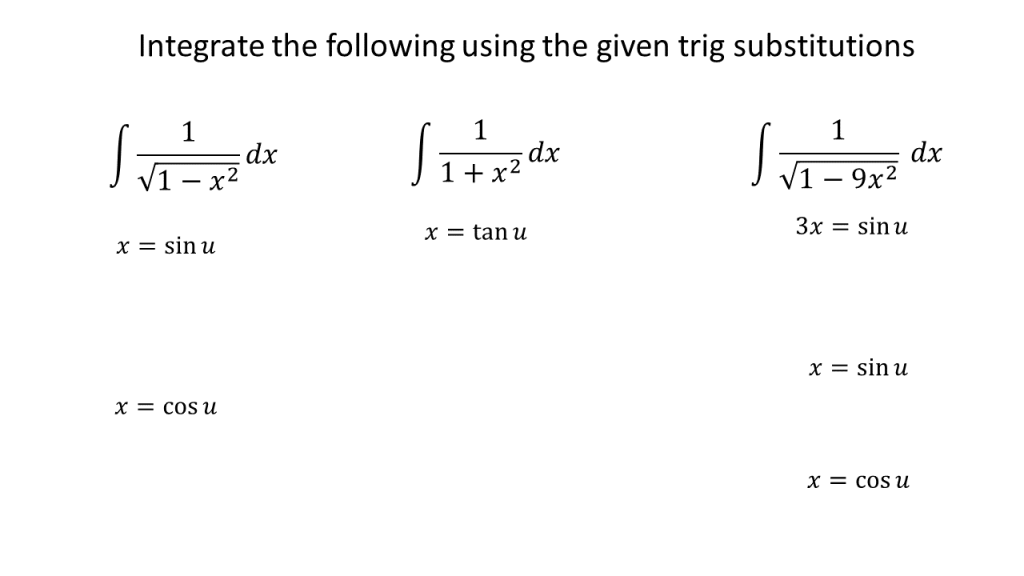
Finished off with some trig substitution ones. PPT here:
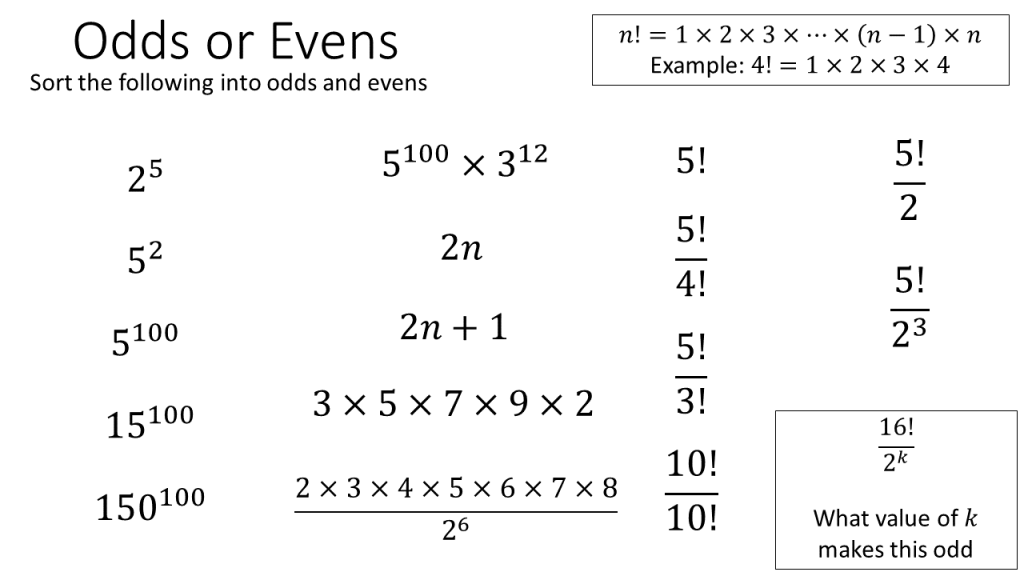
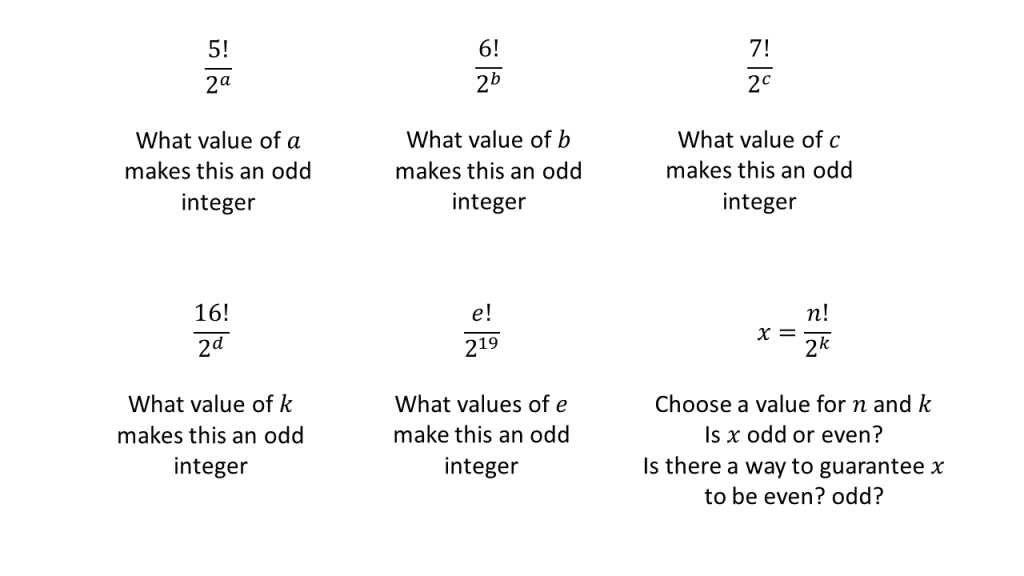
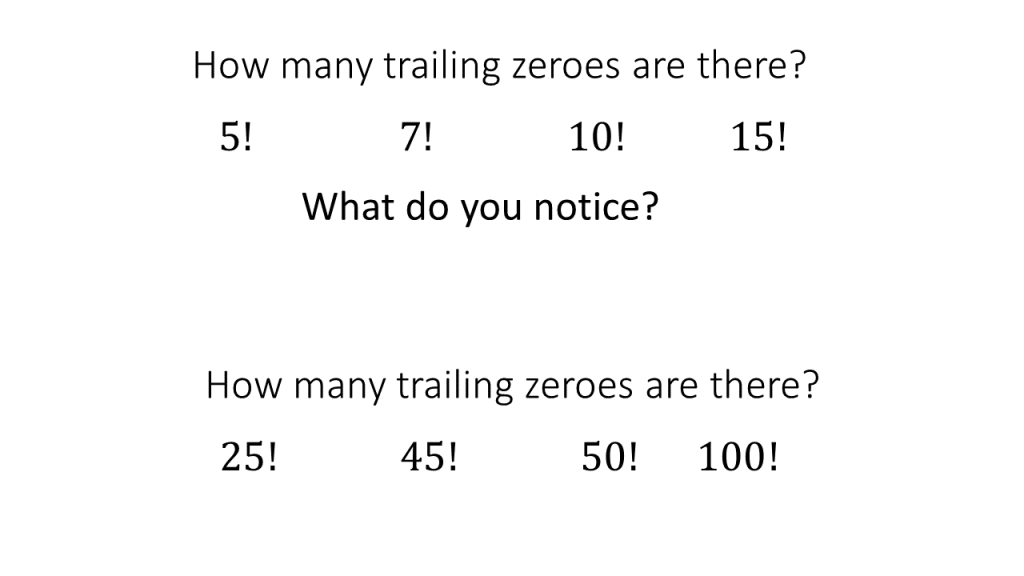
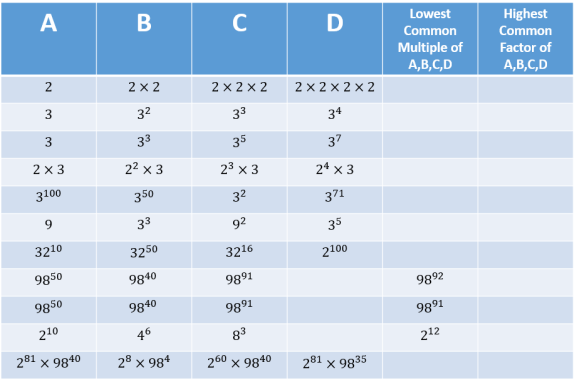
Had a fun time planning a one off hour lesson prepping students for the Intermediate Maths Challenge so we took a look at factorials, in particular looking at properties of their factors. Put together the following PPT and had a great time!
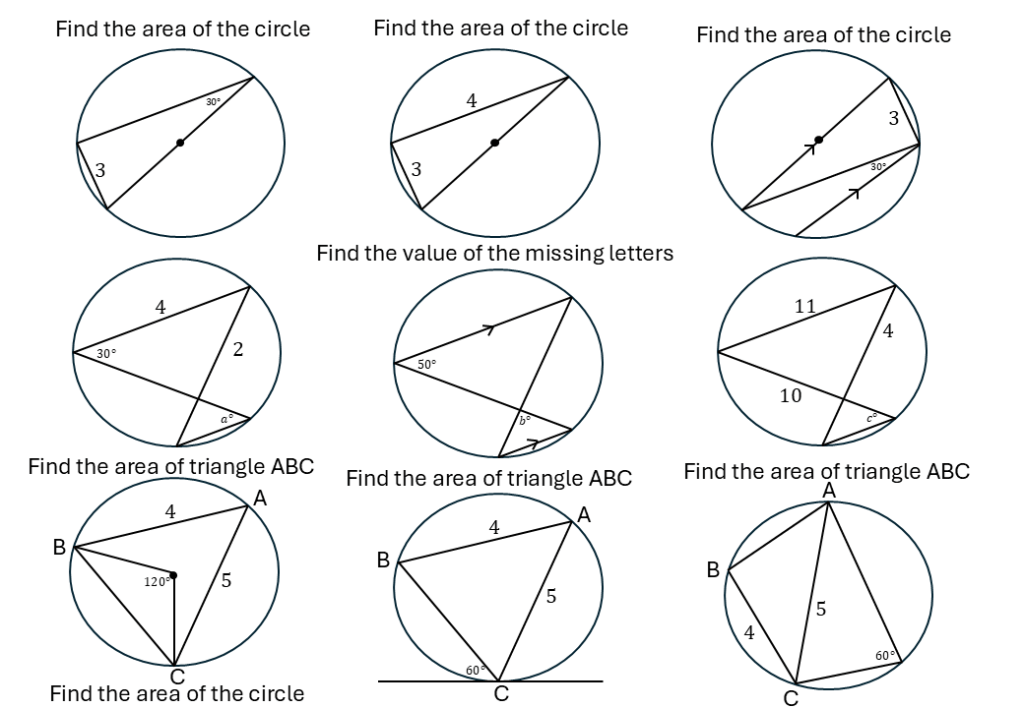
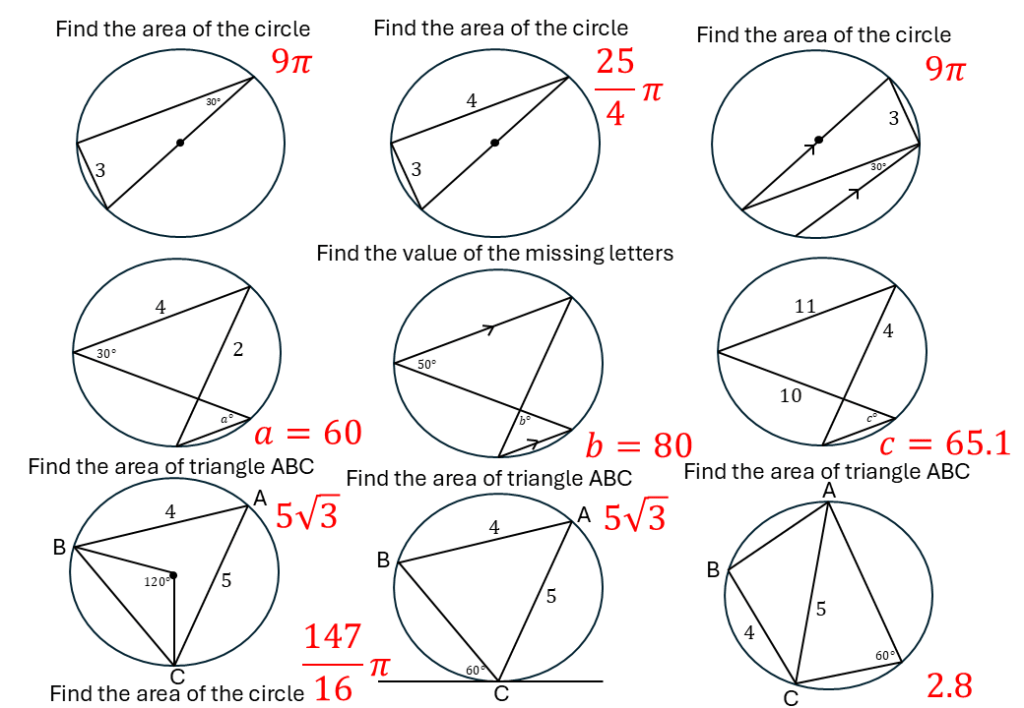
Inspired by interwoven maths made a worksheet combining triangle problems with circle theorem problems. Was a bit fiddly on PPT but fun! Answers on the PPT 🙂
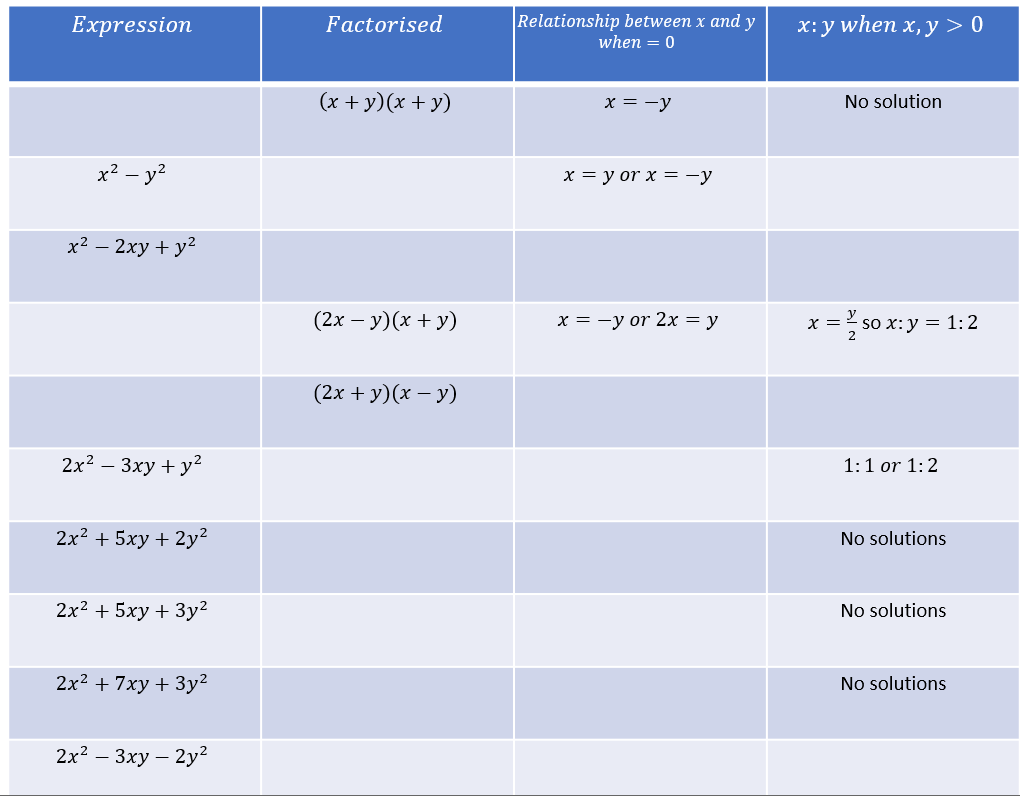
Been trying to use spare time at work to make some more worksheets and activities – Been on a Completion Table Hype Train recently so that is the bulk of what I am making at the moment – In general just trying to make any worksheet that I need has been a fun challenge over the past few weeks!
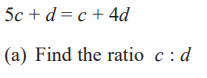
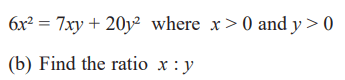
Equations to Ratios
Our students were struggling with the two questions above – Both coming in their Mock from Edexcel Nov 2020 3H.
I decided to make a worksheet firstly just converting linear equations to ratios and then one where you had to factorise a trickier trinomial (Which I actually didn’t realise you could use splitting the middle term for so that was a nice surprise!)
Trying to find ways of scaffolding Compound Measures questions where you either have multiple journeys for Speed/Distance/Time or multiple objects for density calculation.
Been doing solving equations with a class and wanted some scaffolded practise of solving equations that contain brackets so made the two sheets below – One with unknowns on one side and one with unknowns (and brackets) on both sides
This question above caused some issues in a recent mock so tried to make an activity that could introduce the idea and give students a bit more practise – see below!
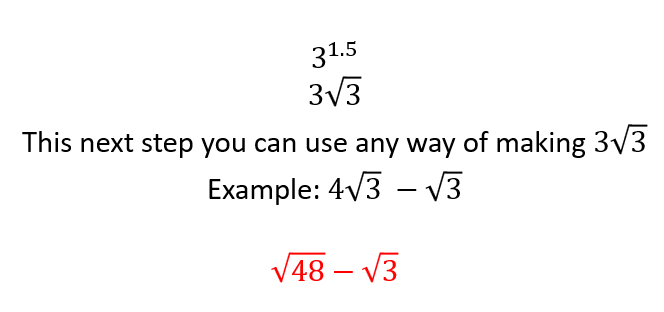
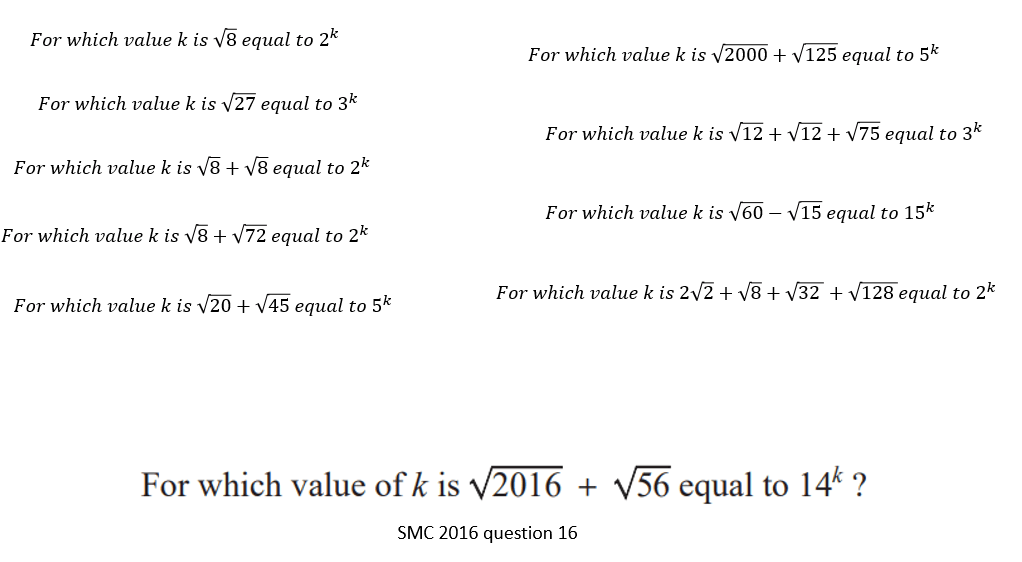
Saw this great question on the 2016 UKMT Senior Maths Challenge and wondered whether it would be possible to make some of my own. I had just been teaching Surds and wanted some nice enrichment that linked surds to indices.
I realised that you can nicely create your own by working backwards from the answer (See Below)
I have said before on this blog that I absolutely adore the UK Maths Challenge as a way of massively improving your problem solving skills and using preexisting tools in totally new ways. It’s also an absolute goldmine for interesting purposeful practice. One of my favourite way of creating resources is by choosing a UKMT (UK Maths Trust) question that I particularly enjoy and seeing in what glorious directions it can lead.
From Question to Exercise: Square Root Puzzle
Lets look at the question above – what seems like a relatively simple question has a wonderfully elegant solution. I will include the answer at the bottom of the post – although as usual I would recommend trying the question first!
The start of the worksheet
So to start with students are encouraged to just try the question themselves – they have the whole page to write down their thoughts and try different things and if they want some support they can turn to the next page.
An example and follow up question to help with the UKMT question
They can work through the simpler example I have given them and then go on to doing very similar questions to the original so they can practice the steps involved. These slight variations mean that students can use what they have used in previous examples to help when the questions get slightly weirded!
An interesting alternative question
The questions progress, using an differing increases before finally looking at a more general example!
The generalised example
But why?
Although the question feels pretty niche there is lots of maths to be practised here. The link between a percentage increase and the corresponding numerical multiplier, solving simple quadratic equations and some nice thoughts on fractions lead to an exercise that practises some key skills in a nice creative way! I plan on using it as some problem solving practice after having taught part of those topics.
Please feel free to try it by downloading here – The answers are available through the resources under the subheading “Problem Solving”
From Question to Exercise: Factors and Square Numbers
Another UKMT question with depth galore
How would you attempt the above question? You could just work out the multiplication and then square root that product to find out the missing value. But square rooting in notoriously a tricky function without a calculator and also where is the fun in that! It also will become an increasingly impractical method the larger the numbers get – for example in the question below…
Surely there is a nicer way of solving this!
Simplifying the question
The beginning of the worksheet
As with lots of the worksheets I make I like to start with simple questions for students to work through and throwing in an example to help but the aim is for it to be a relatively self-explanatory exercise that slowly builds to the intended questions that we want to solve!
These questions also came from a wonderful UKMT question that I saw and needs some knowledge about the structure of square numbers to answer it. In particular that the prime factors of square numbers have to come in even pairs. For example 16 can be represented as 4 x 4 but also as two pairs of 2 x 2. The number 18 on the other hand is built from 3 x 3 x 2 so you have a pair of 3s but then one factor left over so it is not a square number. How could we make 18 a square number just by looking at its factors? We need to find a buddy for that extra factor of 2 so by x 2 we end up with 3 x 3 x 2 x 2 = 36 which is a square number! You can even rearrange it slightly and write it as (3 x 2) x (3 x 2) to make it even clearer that it is a square number as it is something times itself.
Showing that this product gives us a square number using factors! Find a, b and c!
So for the question above you can rewrite 64 as 8 x 8 and 4 as 2 x 2 and by rearranging you then have (8 x 2) x (8 x 2) which means that 64 x 4 has to be 16 squared! A wonderfully simple way of solving these questions and also a great excuse to practise factorising (prime and not prime!)
Try these yourself!
You can try the worksheet yourself here and the answers can be found on our resources page. Its such a delightful little puzzle with a lovely solution – Even coming up with your own questions is fun so I implore you to try that too!
Post Credits
The UKMT is an absolute goldmine of maths and puzzles. Even more excitingly the UKMT has extended solutions to their maths challenges that include additional questions and investigations for each question so I would definitely suggest checking that out here
Below is the solution to the original problem:
As always thank you so much for reading and if you are interested in getting involved with us let us know here and you can also subscribe so you don’t miss out on any content by entering your email below!
You must be logged in to post a comment.